RuwanthiGajadeera.

ARALU is a textile-led design studio founded by Ruwanthi Gajadeera.
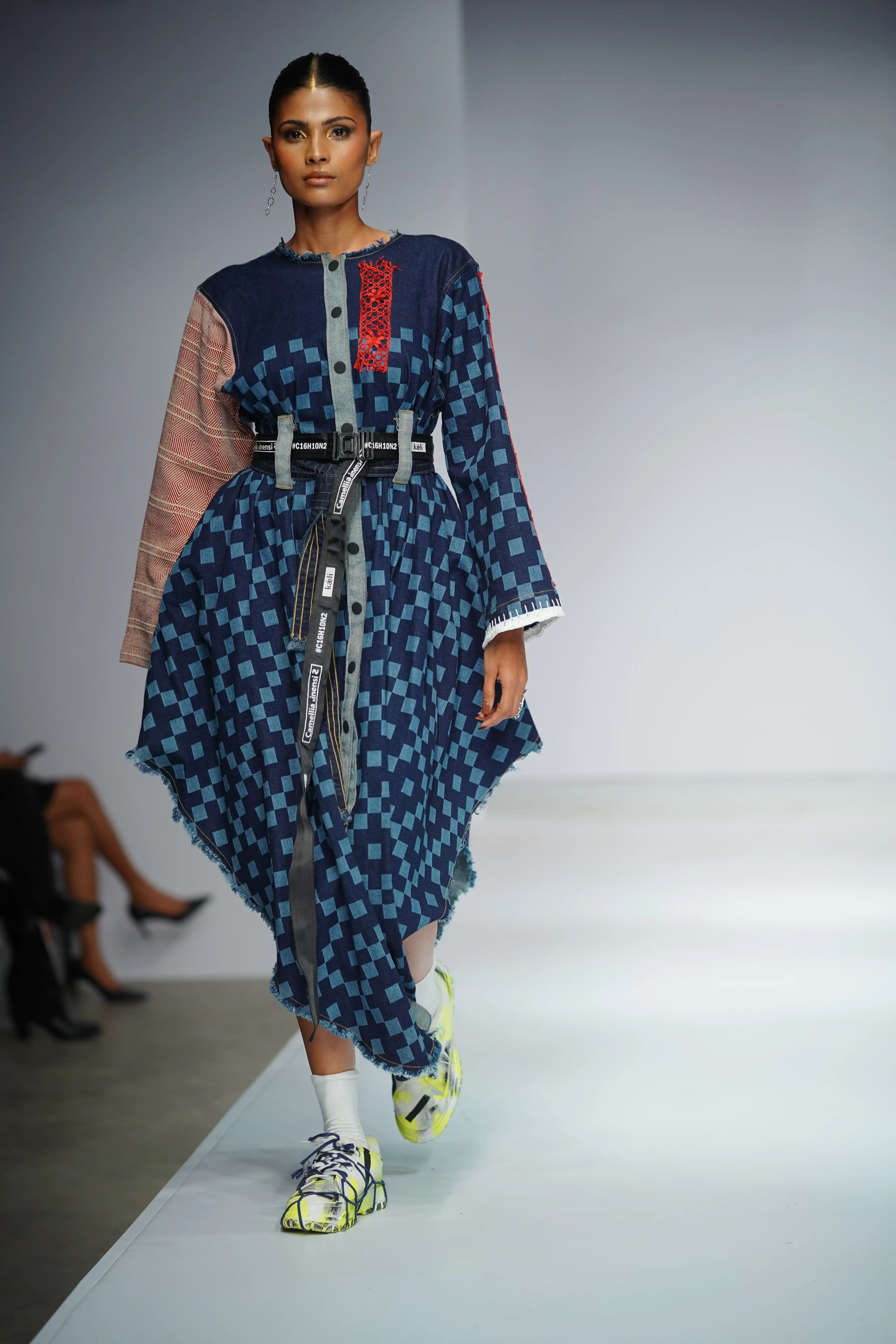
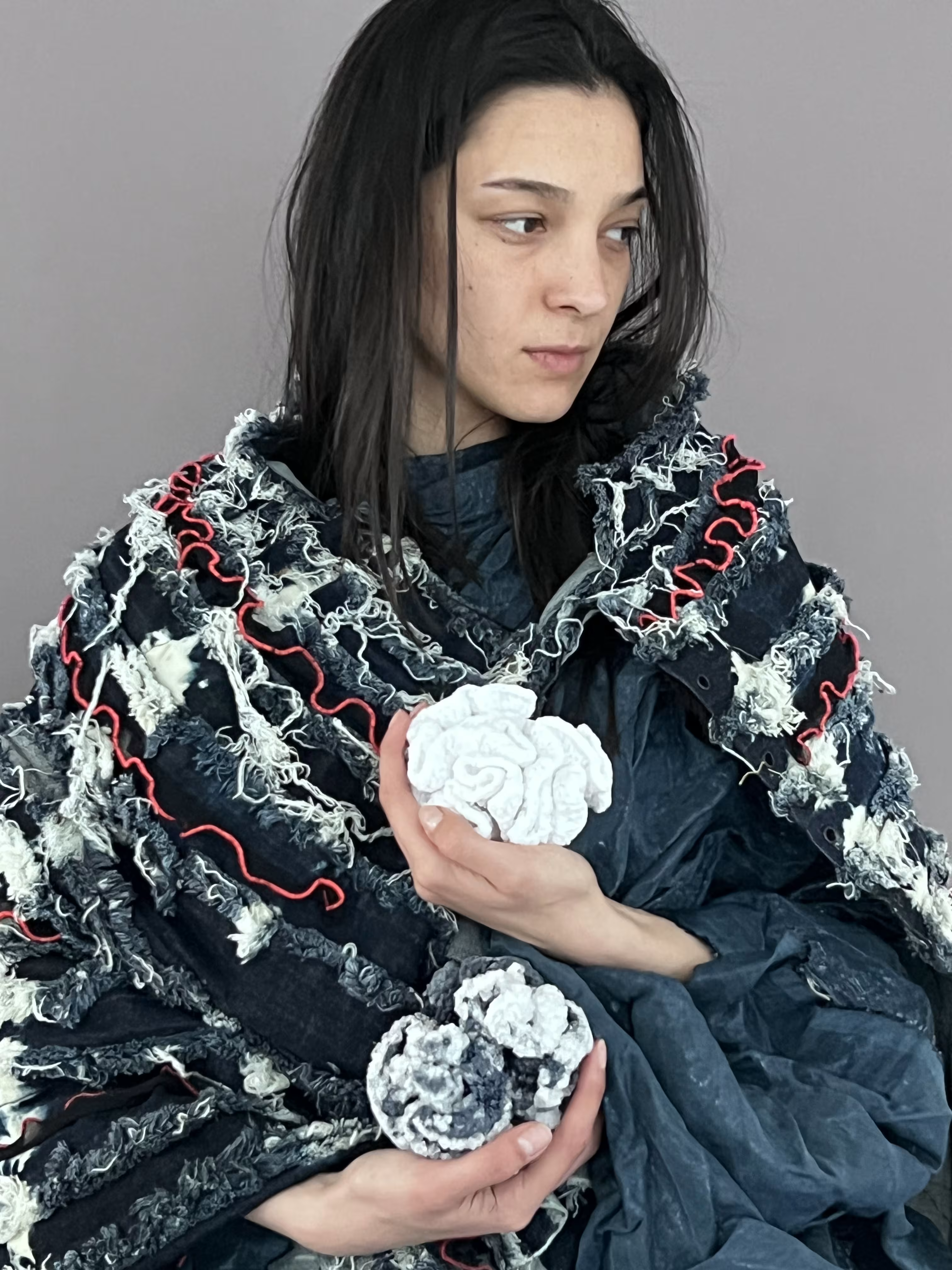
She trained at the Royal College of Art and worked across Asia, developing circular denim and low-impact washes for industrial production. Her graduate collection kǣli, built almost entirely from waste denim, won the 2021 Taiwan Fashion Design Award — the first South Asian designer to take the prize. The work has since travelled to the UN Ocean Conference, the European Parliament, Berlin Science Week, the Redress Design Awards, and the RCA's Ceremony of Life with International Flavors & Fragrances.
Through ARALU she is building a studio for slow, traceable clothing: woven by hand, dyed without harmful chemicals, and designed for repair from the first stitch. Every piece, workshop, and commission asks the same question - how can a garment hold its value over decades, not seasons?
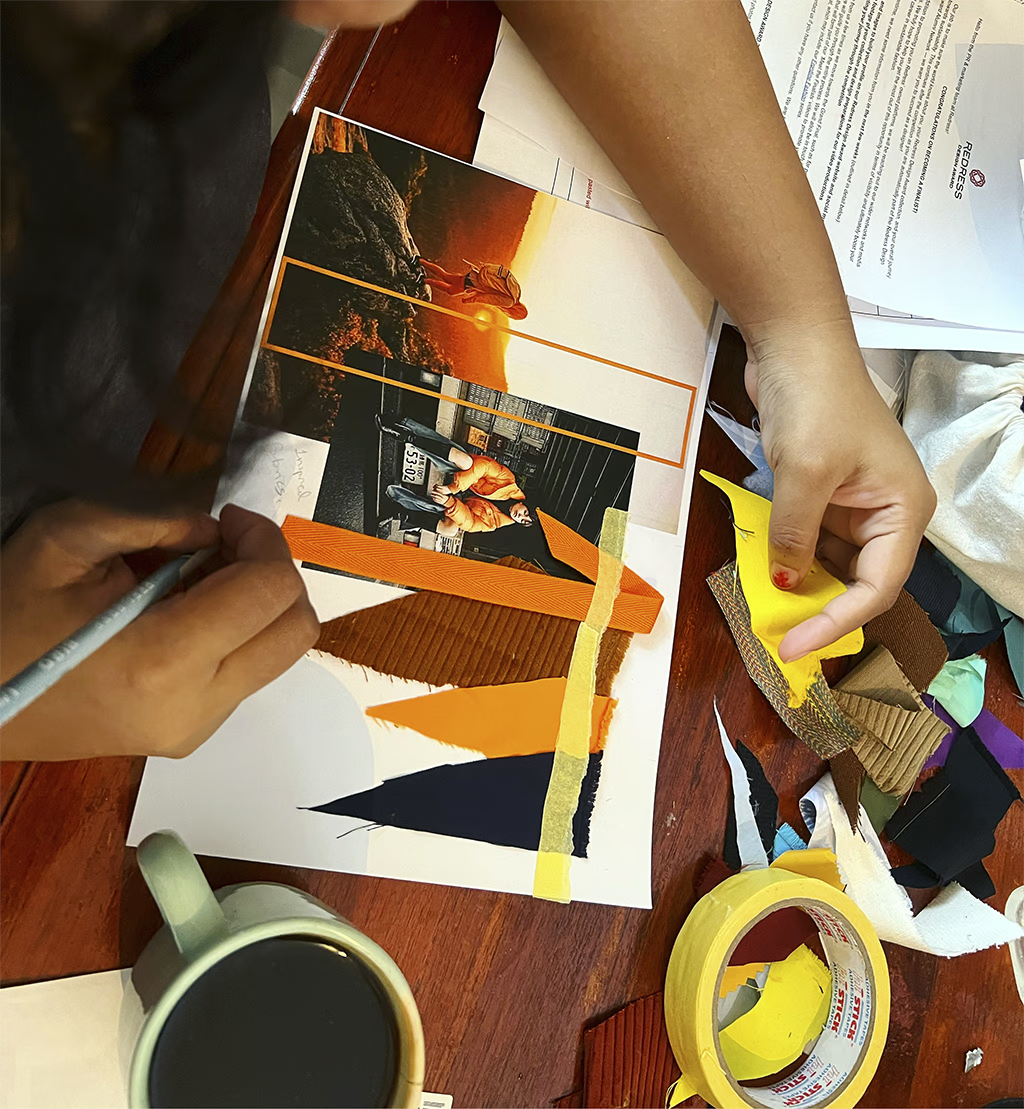
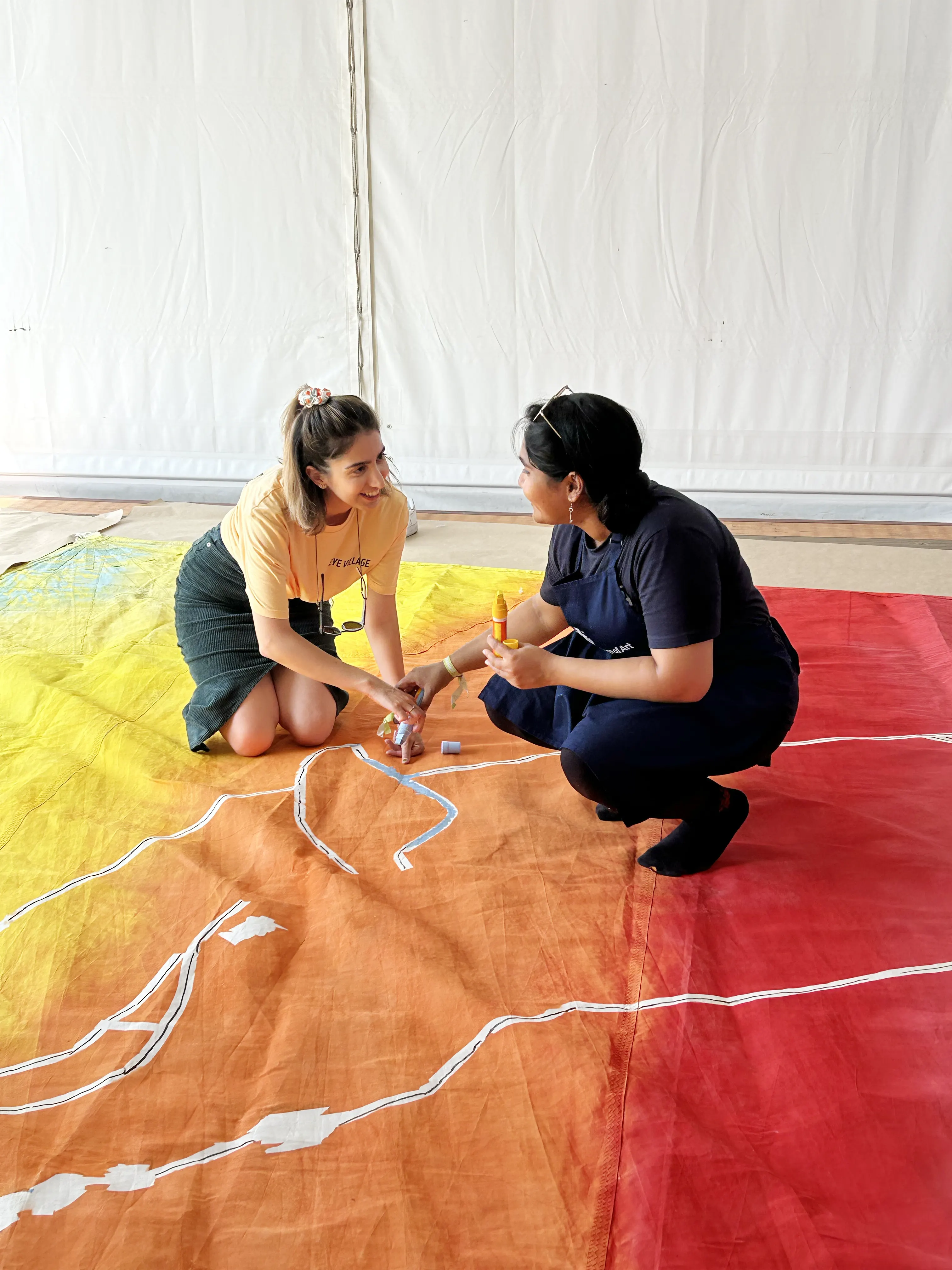
The studio is rooted in Sri Lankan handloom and shaped by what Ruwanthi grew up near: the Meethotamulla landfill outside Colombo, the X-Press Pearl disaster off the coast, the slow disappearance of weavers from the trade.
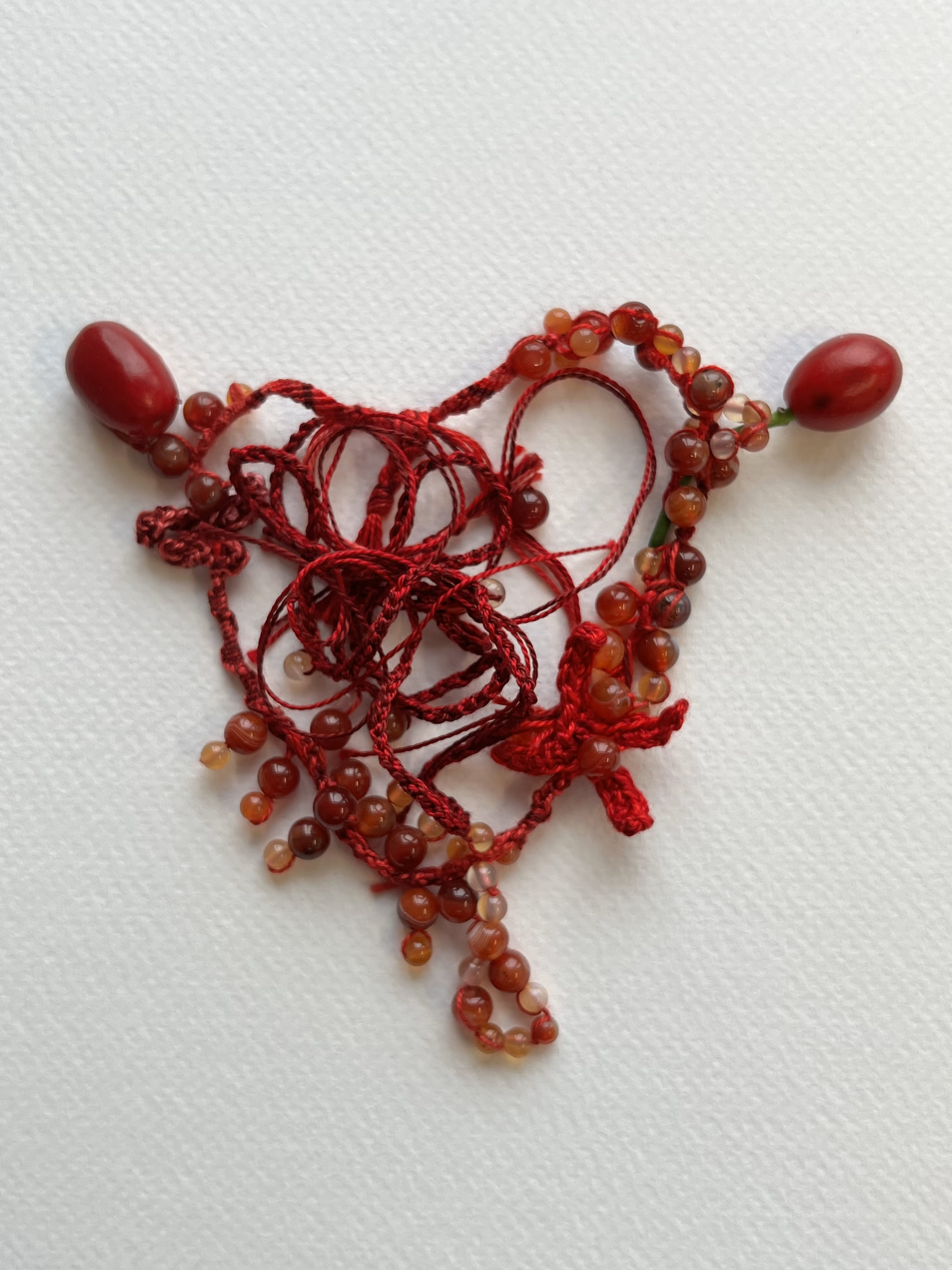
ARALU is named after Sri Lanka's "king of medicines" — a small black fruit used for centuries to repair what disease and time wear down in the body.
The fruit is neuroprotective and anti-inflammatory; in Ayurveda it is used to extend life and ease decay. The studio takes the name as a commitment - clothing should slow what fashion otherwise accelerates: the loss of handloom skill, the cost to soil and water, the rush from wear to waste.
Practice
The studio works across four registers: cloth, scent, sound, and dye. Each carries part of what a garment is, even when only the cloth is visible.
Every collection starts with a question before it starts with a thread.
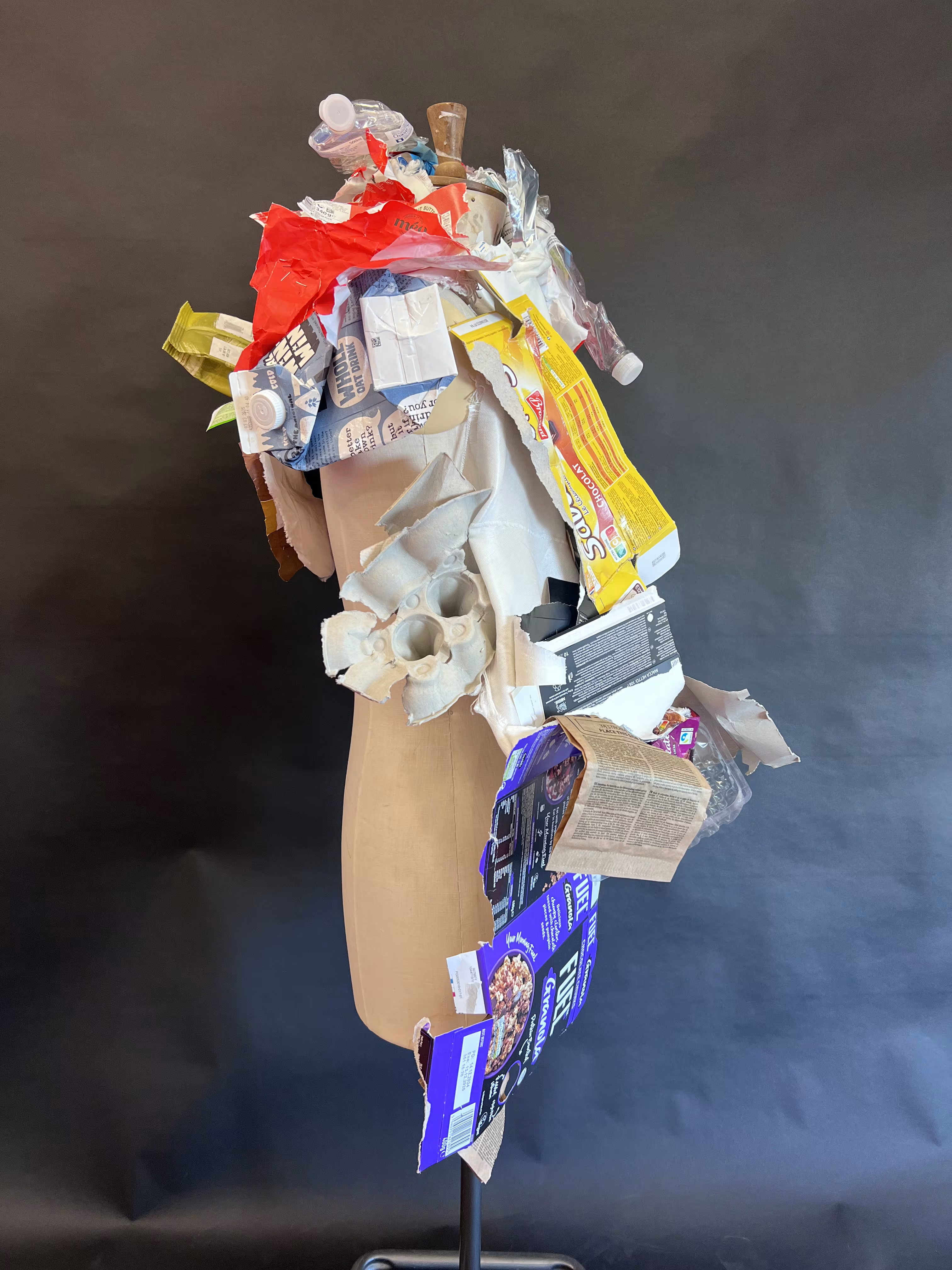
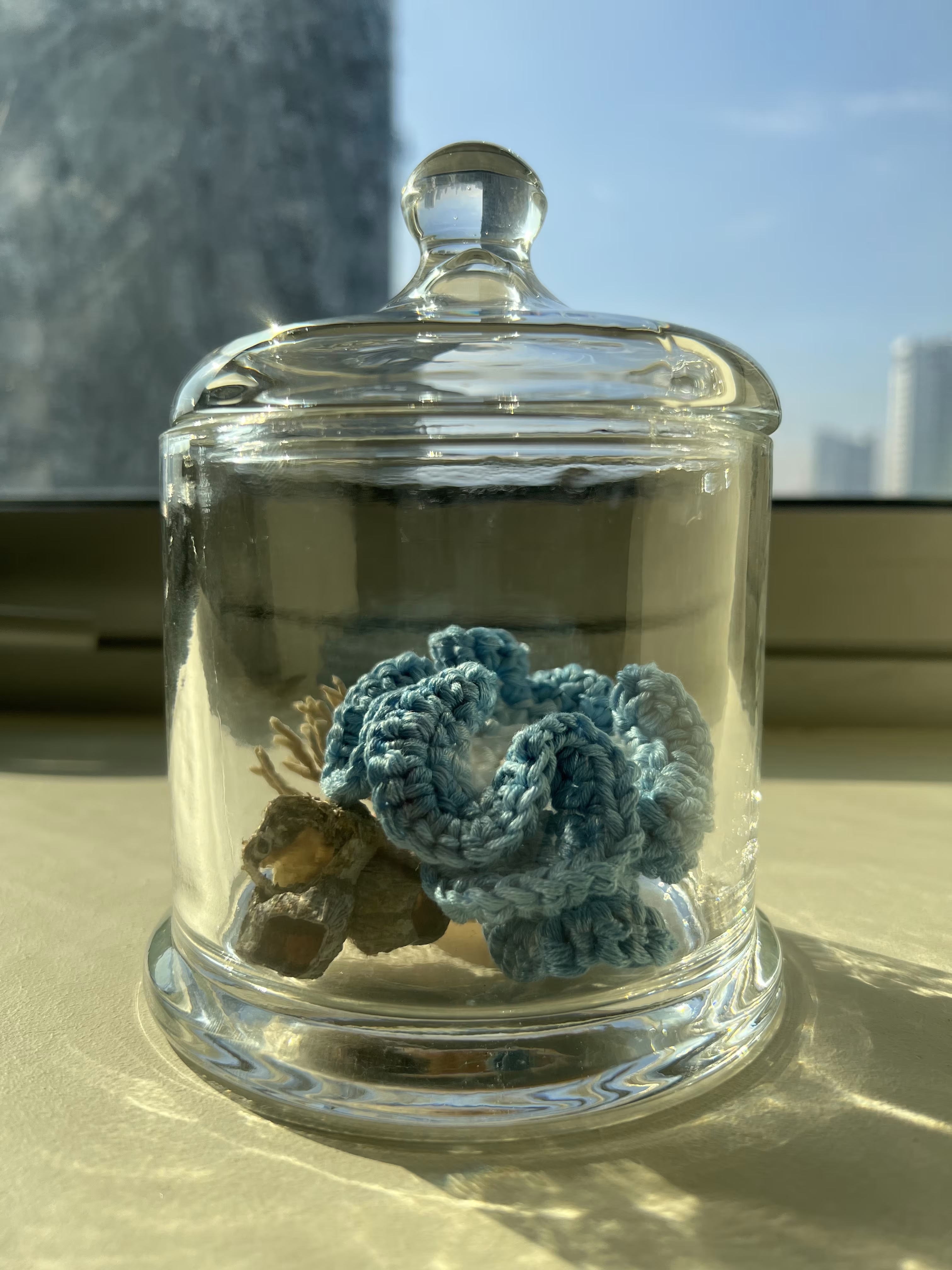
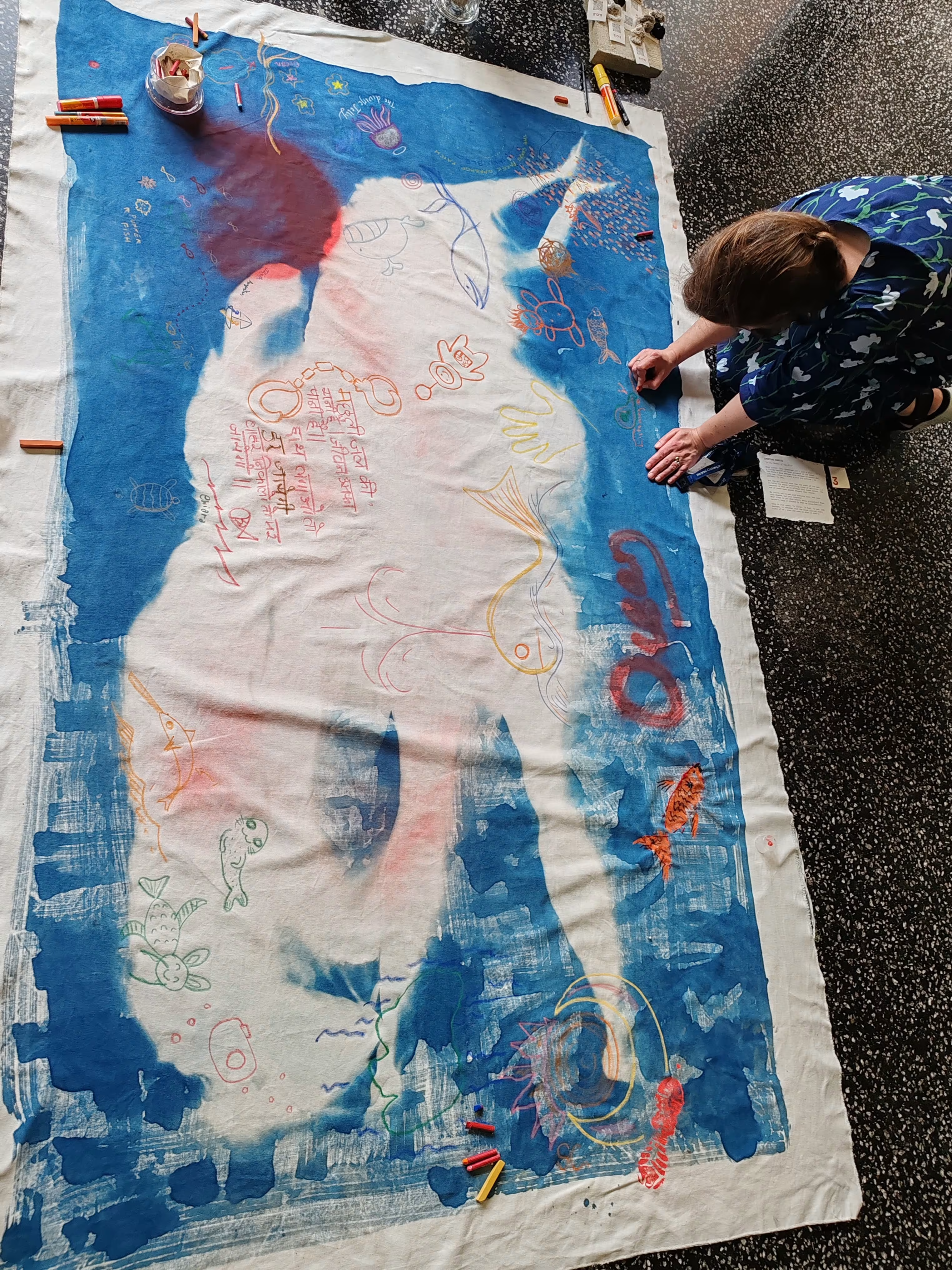
S.O.S — Save Our Seas began with the X-Press Pearl shipping disaster off the Sri Lankan coast in 2021, the worst marine pollution event in the country's history. The collection was made with marine biologist Dr Asha de Vos and Oceanswell, translating ocean science into cyanotype textiles, scent profiles drawn from corroding seawater, and field recordings from the affected beaches.
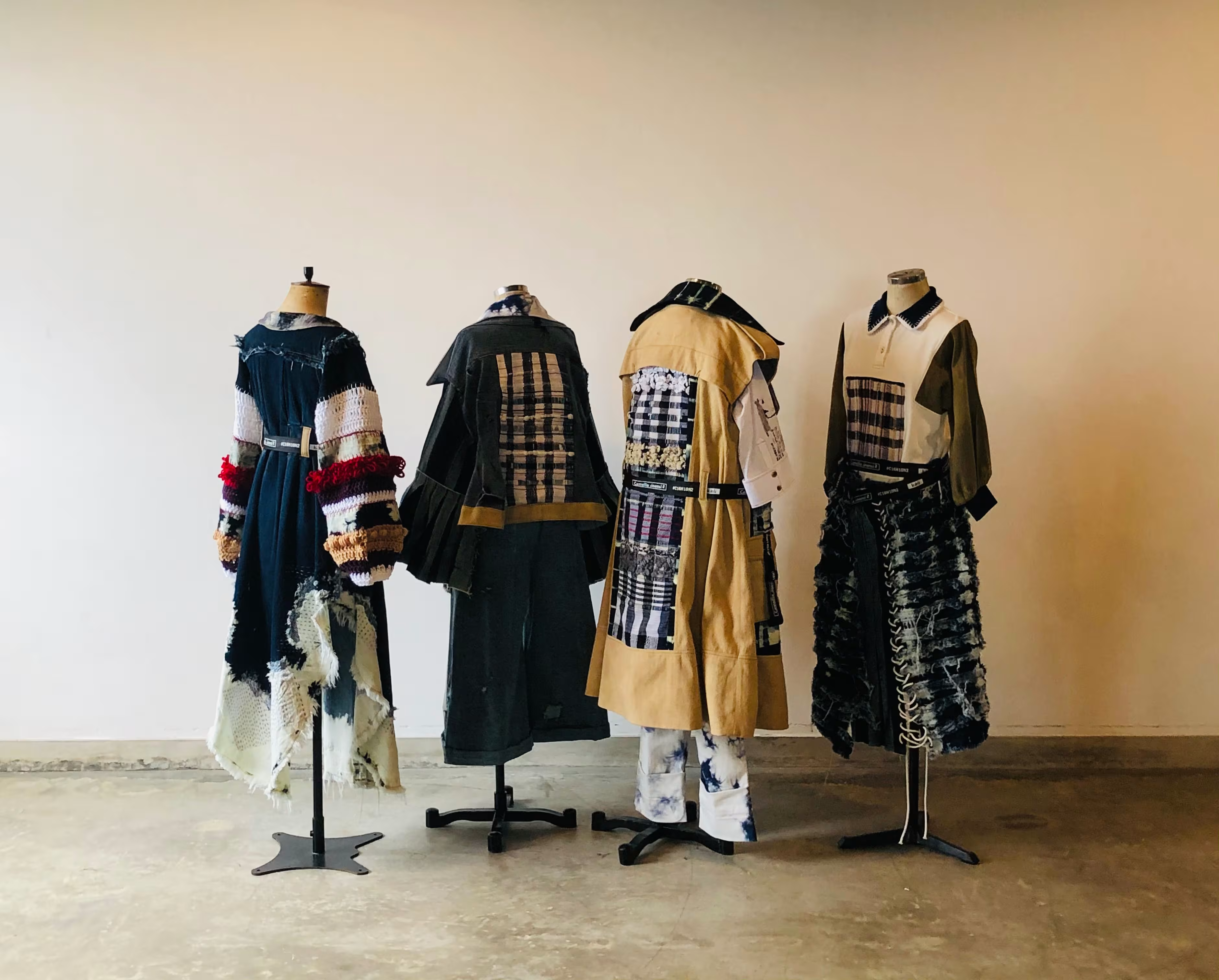
kǣli, the graduate collection that took the Taiwan award, came out of years of conversations with Dumbara weavers in central Sri Lanka — one of the oldest handloom traditions on the island, now sustained by only a few dozen remaining families.
Creative Labs
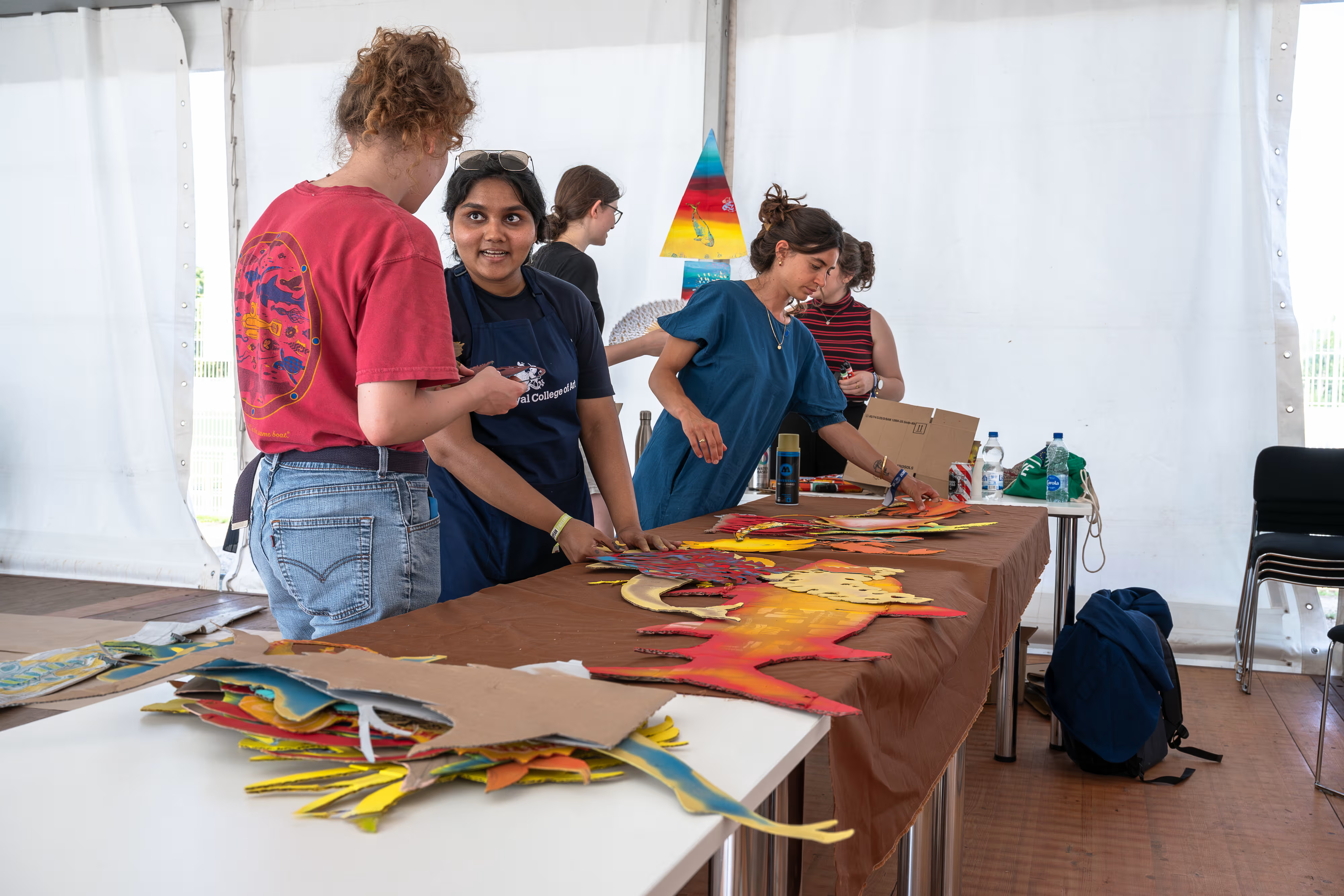
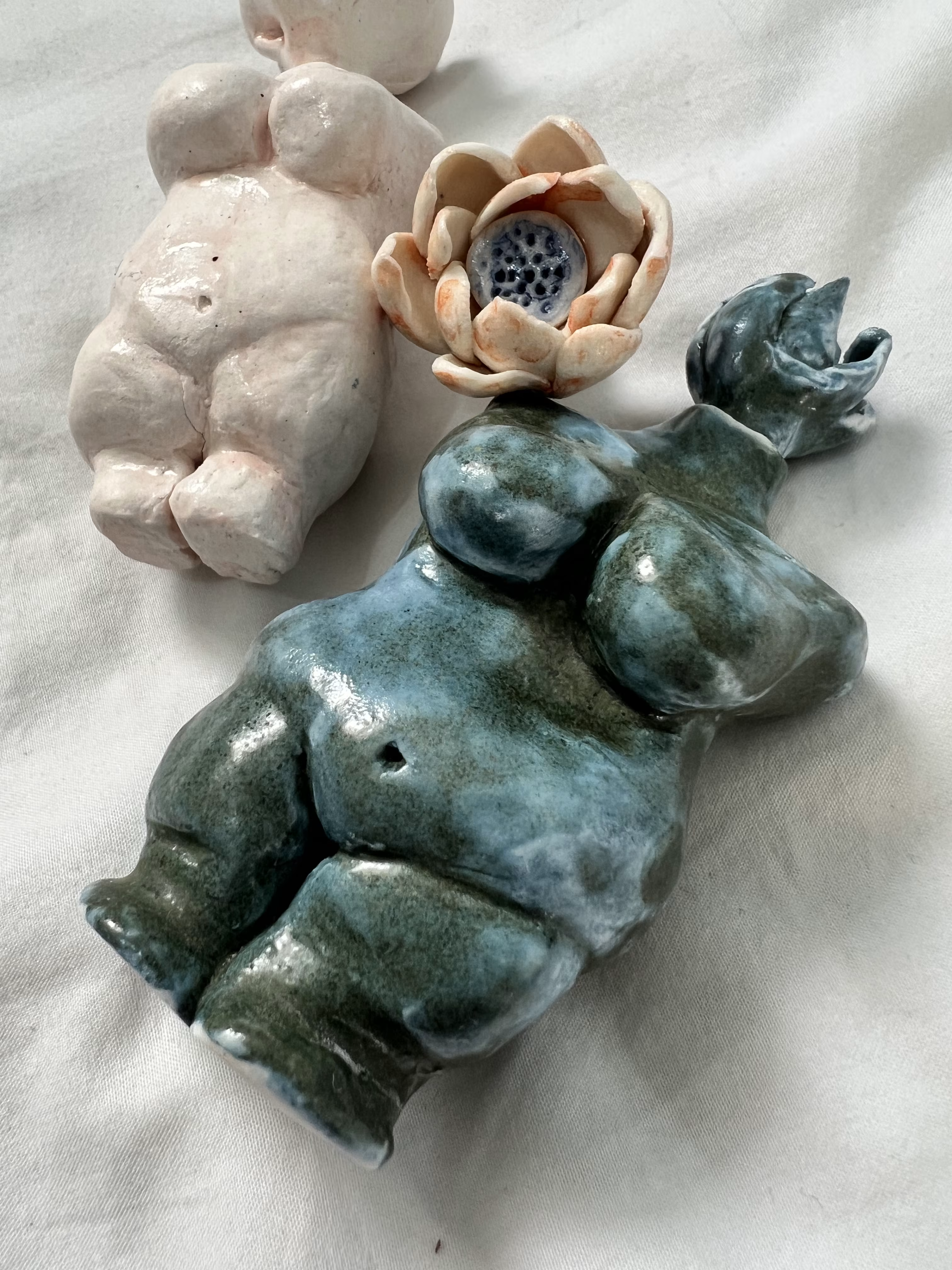
Cloth, scent, sound, dye. Four ways to make a garment carry what made it.
Loom & Cloth
Handloom weaving
Dumbara technique
3/1 twill
Salvage edges
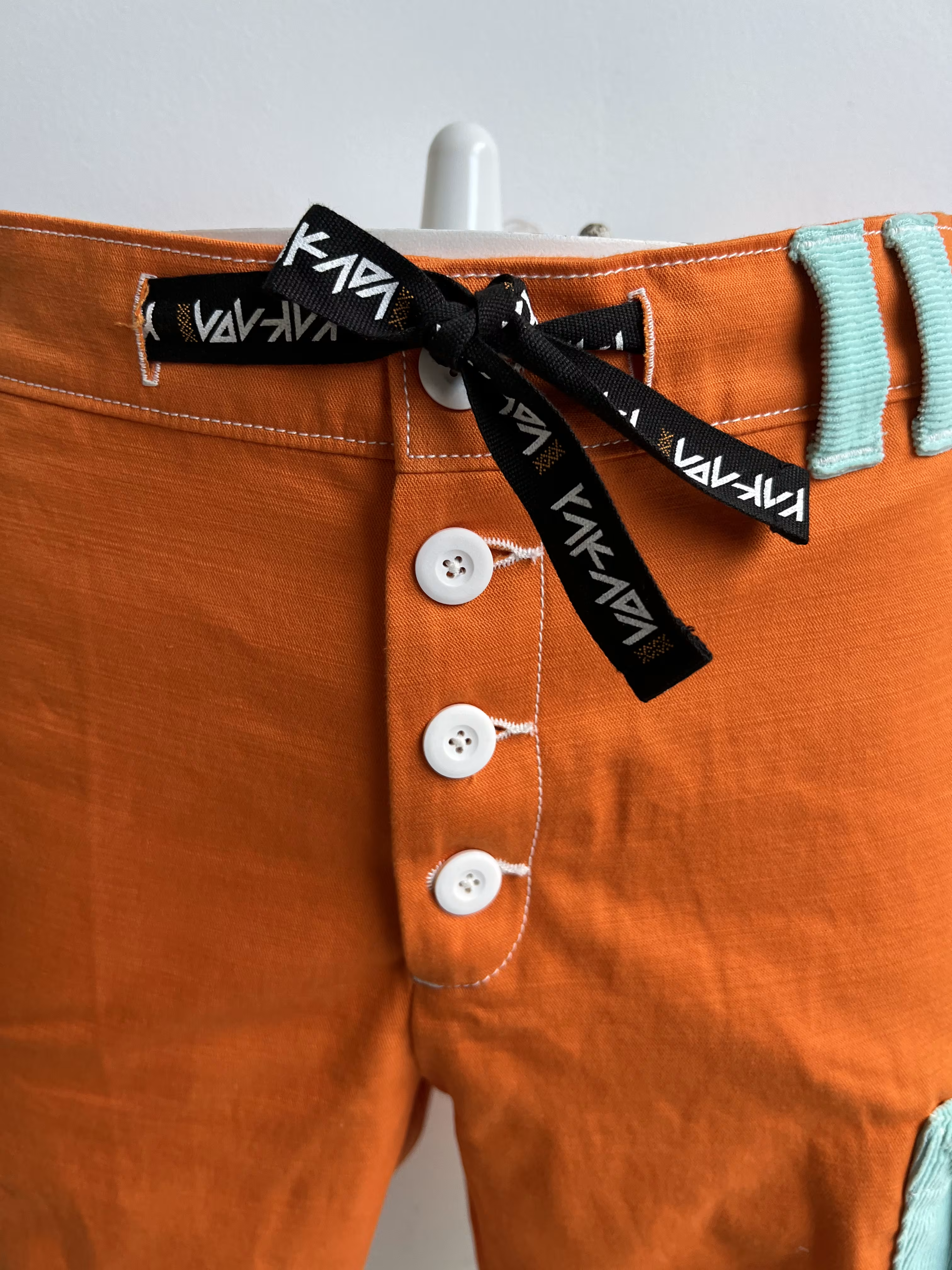
Repair-built seams
Lyocell stitching
Scent & Dye
Fermented indigo
Iron-corroded copper
Plant mordants
Saltwater dye trials
Mineral pigments
Botanical scent notes
Natural finishing washes
Field-drawn olfactory profiles
Sound
Soundscapes
Weaver interviews
Monsoon and rain
Industrial textures
Composition for installation
Spatial sound design
Curation
Exhibition design
Workshop facilitation
Runway presentations
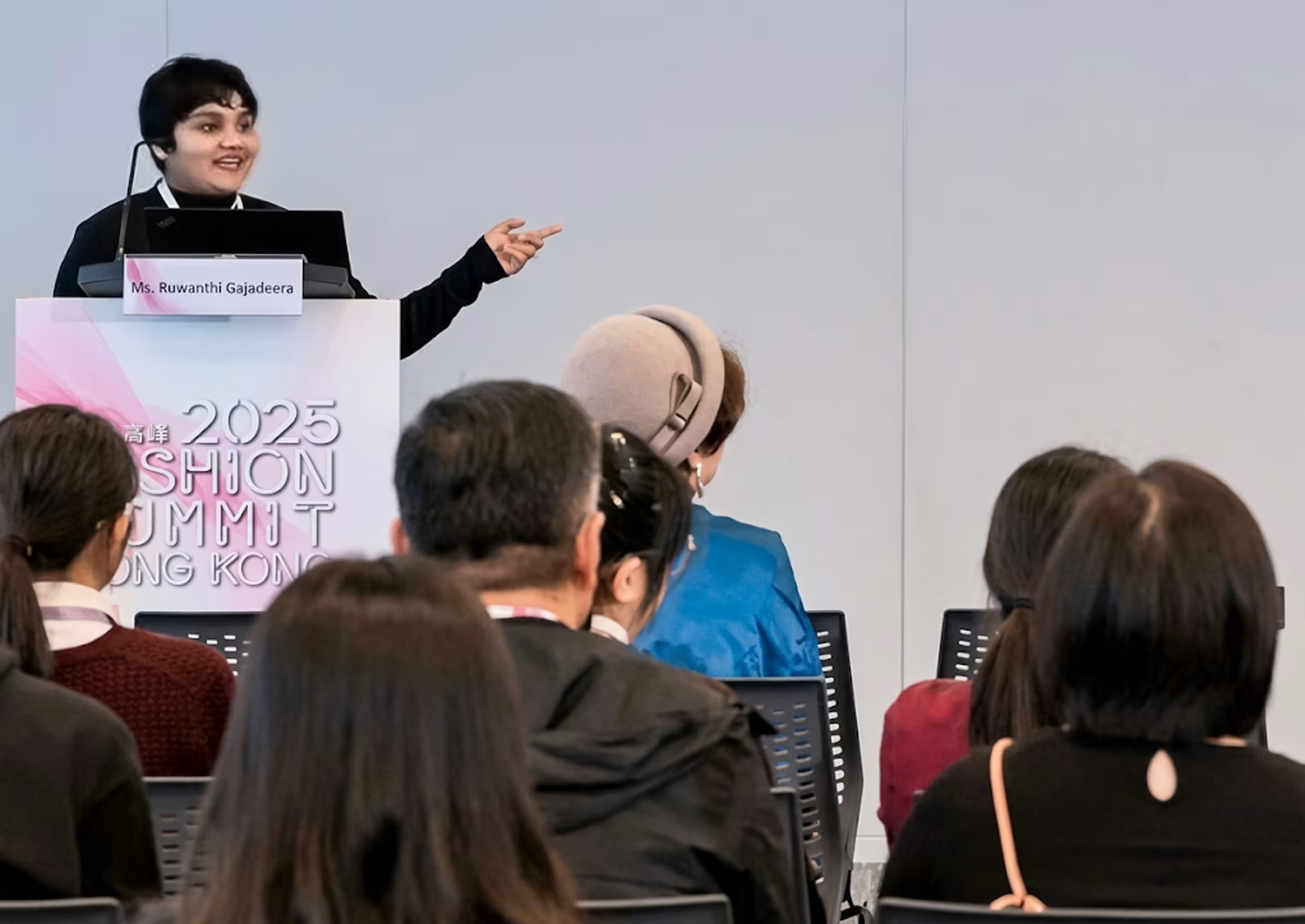
Public talks
Installation builds
Cross-disciplinary research
Commissioned work
Editorial direction
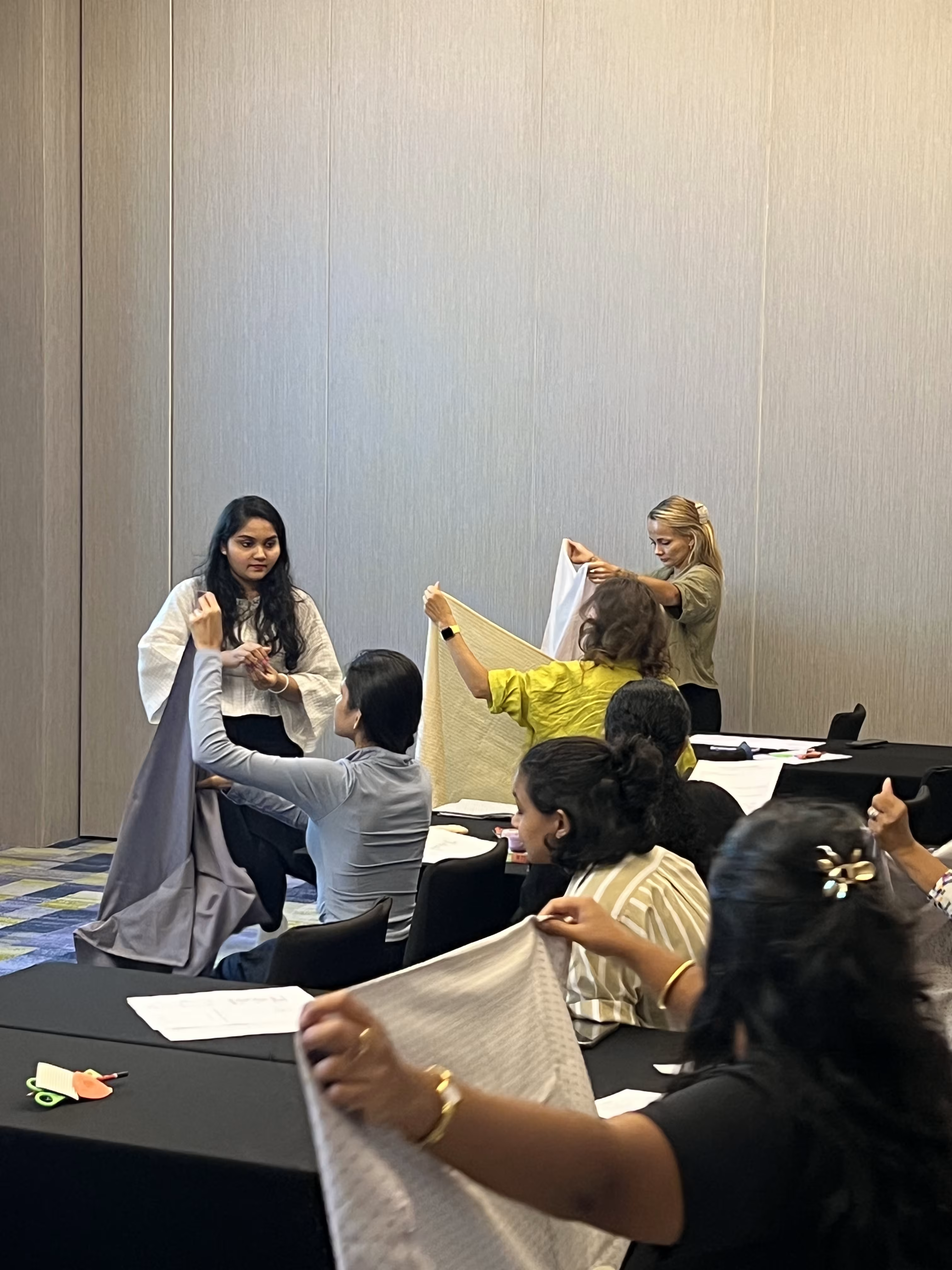
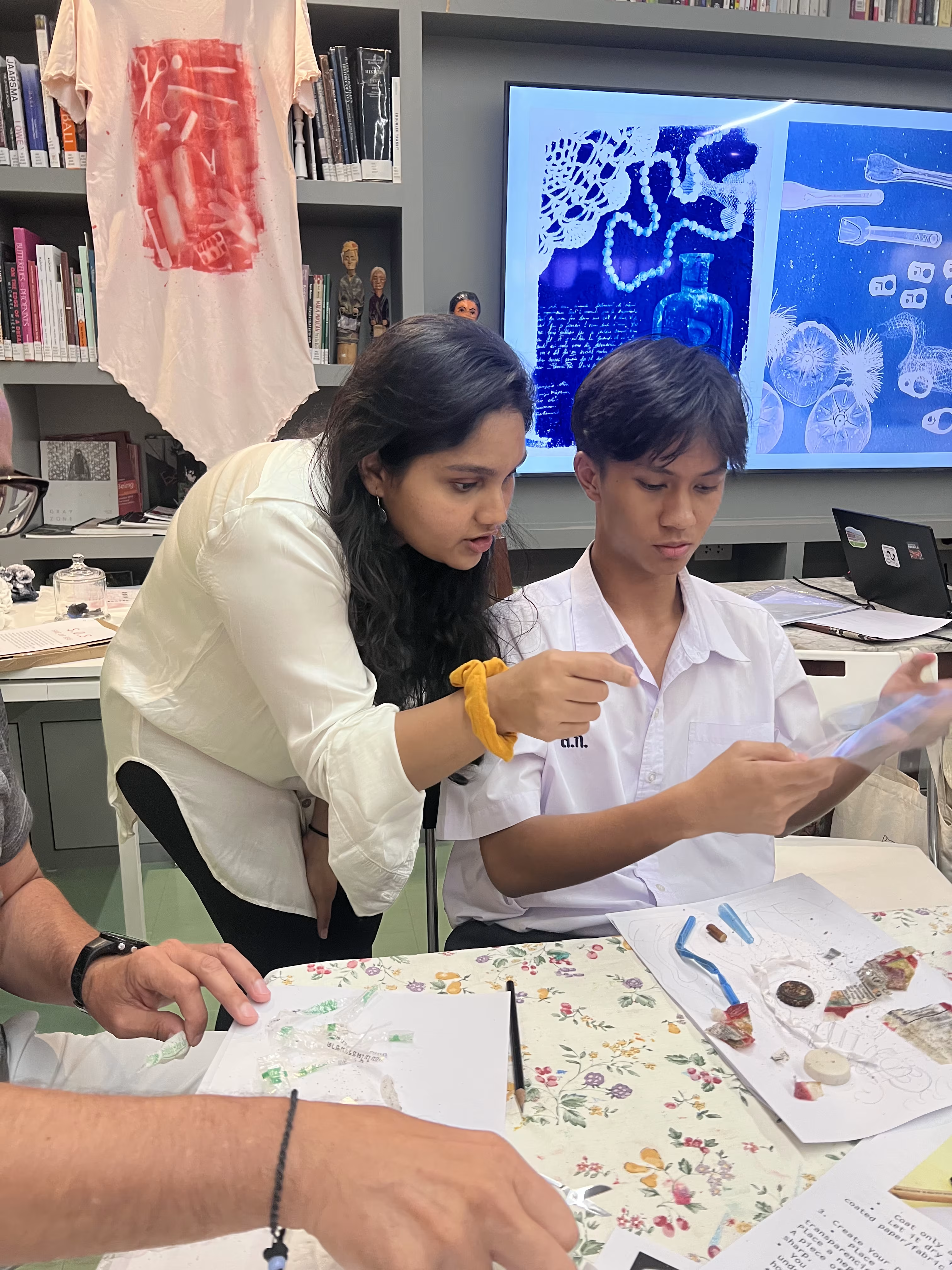

The studio works slowly because clothing should outlast its season.
pair of jeans takes around four hours of handloom work before cutting. A dyed scarf takes weeks of fermentation. A workshop or exhibition takes months of research with weavers, biologists, and curators. Time is what each piece holds; time is also what we ask the wearer to value.
That commitment to time also shapes who we work with. Commissions, collaborations, and partnerships are accepted selectively, where the people involved have time to invest in the process: weavers, scientists, curators, institutions, and clients who want to think with us rather than buy from us.